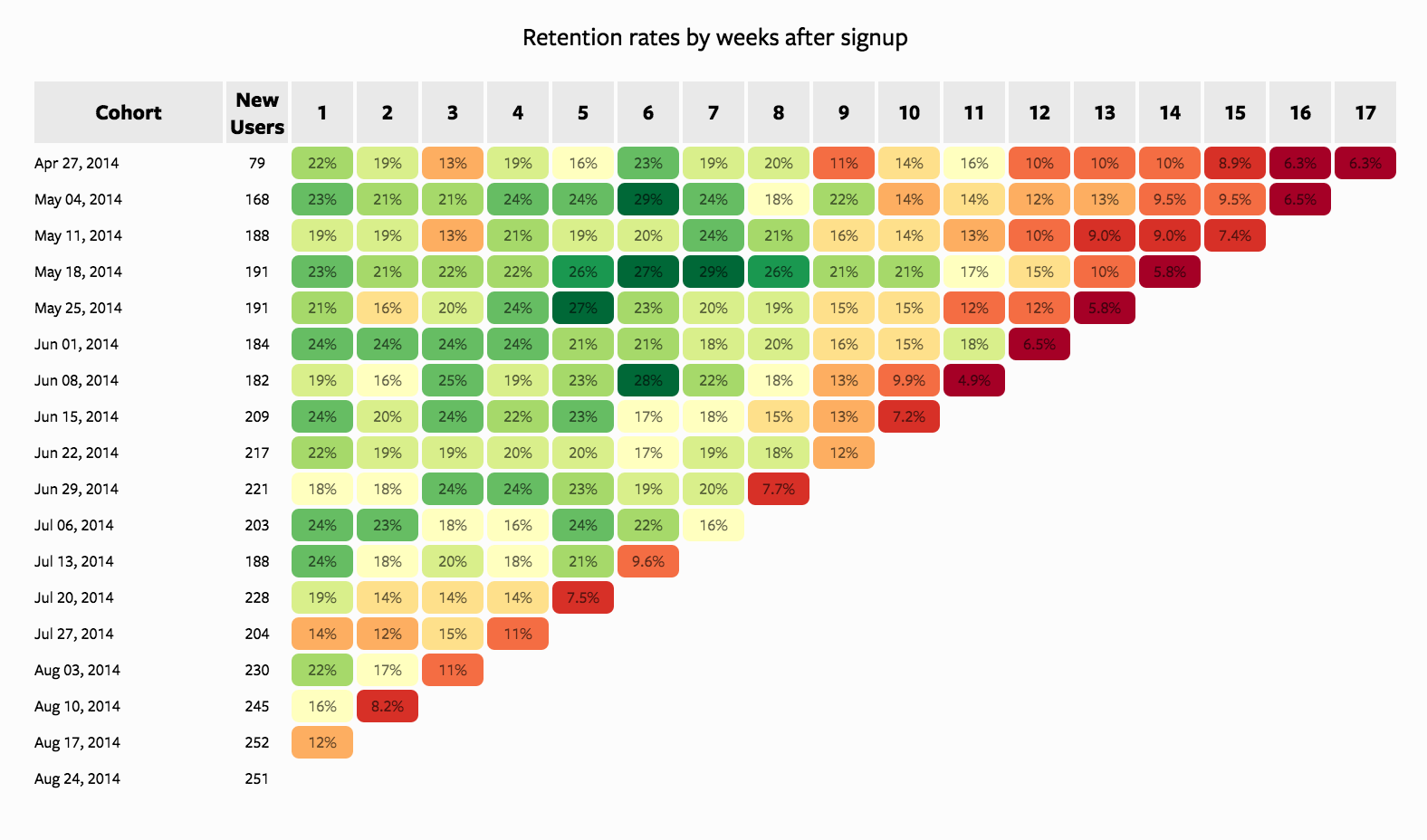
Cohort analysis groups customers by a shared starting point, such as the month of their first purchase, or by a shared action, and tracks each group's retention, repeat purchases and revenue over time. Comparing cohorts shows when customers drop off and which acquisition channels or behaviors produce customers who stay.
In the dynamic landscape of digital marketing and product management, understanding your audience is paramount. Cohort analysis emerges as a powerful tool, enabling businesses to dissect their user base into manageable, related groups for detailed analysis. This analytical approach offers unparalleled insights into customer behavior over time, shedding light on how specific actions or operational changes impact user engagement, retention, and revenue.
Cohort analysis segments users based on shared characteristics or experiences within a defined time period, such as the month of their first purchase or specific interactions with a product feature. This segmentation allows businesses to observe how these cohorts behave over time, providing a clearer understanding of the customer lifecycle and identifying critical factors that influence retention and churn.
The application of cohort analysis goes beyond mere data interpretation; it informs strategic decision-making, guiding businesses in optimizing their onboarding processes, improving product features, and tailoring marketing efforts to enhance customer satisfaction and loyalty. By pinpointing where and why users disengage, companies can implement targeted interventions to mitigate churn and foster long-term relationships.
What is Cohort Analysis?
Cohort analysis stands as a beacon for businesses navigating the vast seas of customer data, offering a methodical approach to understanding customer behavior over time. By breaking down the user base into cohorts—groups of users who share common characteristics or experiences within a specified timeframe—this analysis sheds light on how these segments interact with your product or service.
Definition and Importance
Cohort analysis is a method of behavioral analytics that groups customers into cohorts based on shared characteristics, typically focusing on the users' first engagement with the business. This approach allows for the examination of these groups over time, providing insights into customer retention, loyalty, and the effectiveness of specific marketing strategies or product features.
The importance of cohort analysis in today’s data-driven marketing landscape cannot be overstated. It provides a nuanced understanding of customer behavior, revealing patterns that are not apparent in aggregate data. By identifying trends within specific cohorts, businesses can make informed decisions to enhance user engagement, improve customer retention rates, and ultimately drive revenue growth.
Types of Cohort Analysis
Cohort analysis can be broadly categorized into two types:
Acquisition Cohorts: Group customers based on when they first made a purchase or signed up for your service. Analysis of these cohorts focuses on how long customers stay with your brand and how their value evolves over time.
Behavioral Cohorts: Segment customers based on specific behaviors or experiences, such as users who engaged with a particular feature or responded to a specific marketing campaign. This analysis helps in understanding how certain behaviors correlate with retention, satisfaction, or increased spending.
Each type of cohort analysis provides unique insights. Acquisition cohorts are invaluable for evaluating the long-term value of customer acquisition channels, while behavioral cohorts offer deep dives into how product changes or marketing efforts influence customer actions.
What can cohort analysis tell you about your business?
Cohort analysis is more than just a data segmentation tool; it's a strategic compass that guides businesses toward more informed decisions, enhanced customer understanding, and ultimately, improved financial performance. Here are the key benefits of applying cohort analysis in various business contexts.
Business Health Indicators
Cohort analysis acts as a diagnostic tool, providing vital signs on the health of your business. By tracking how specific cohorts evolve over time, you can gauge the effectiveness of your retention strategies, identify potential issues in customer satisfaction, and measure the impact of product or service changes. These insights allow you to address problems proactively and adapt strategies to maintain a healthy business trajectory.
Enhanced Customer Segmentation
Traditional segmentation methods often rely on demographic or geographic data, which, while useful, don't always paint the full picture of customer behavior and preferences. Cohort analysis delves deeper, enabling segmentation based on shared experiences or actions. This refined segmentation helps tailor marketing messages, product developments, and service offerings to meet the specific needs and preferences of different customer groups, enhancing engagement and loyalty.
Personalized Marketing Campaigns: Use cohort data to build campaigns for specific user groups, which can raise conversion rates and customer lifetime value (CLV).
Product Development Insights: Identify features or services that drive long-term engagement and prioritize development efforts accordingly.
Customer Service Improvements: Customize support initiatives to address the common concerns or challenges faced by particular cohorts, improving overall customer satisfaction.
Identifying Churn Points and Opportunities for Improvement
One of the most critical applications of cohort analysis is identifying when and why customers churn. By examining the behavior of cohorts over time, businesses can pinpoint specific stages in the customer journey where engagement drops or churn spikes. These insights provide a roadmap for targeted interventions—whether it's enhancing onboarding processes, improving product features, or offering timely incentives—to reduce churn and boost retention.
Furthermore, cohort analysis highlights opportunities for upselling or cross-selling, especially among cohorts demonstrating high engagement or loyalty. By understanding the characteristics and preferences of these cohorts, businesses can tailor their offerings to encourage additional purchases, increasing the overall value derived from each customer segment.
How do you run a cohort analysis step by step?
Conducting cohort analysis effectively requires a structured approach, from data collection to interpretation. This guide outlines the essential steps to perform cohort analysis, providing businesses with the insights needed to enhance customer retention and drive growth.
Identifying Churn Points
Define Your Cohorts: Determine the basis for grouping users into cohorts. This could be the date of their first purchase, sign-up, or a specific behavior like using a particular feature.
Collect Data: Gather data relevant to the cohorts over time, focusing on metrics that indicate engagement, such as repeat purchases, app usage frequency, or website visits.
Analyze Trends: Look for patterns in the data that indicate when users start to disengage or churn. Identify any commonalities within the cohorts, such as a particular time period after sign-up or following a specific event.
Analyzing Feature Engagement
Segment Users Based on Feature Interaction: Create cohorts of users who have interacted with specific features of your product or service.
Measure Engagement Over Time: Track how engagement with these features affects overall user activity and retention. Determine if certain features correlate with higher loyalty or increased revenue.
Optimize Based on Insights: Focus on enhancing or promoting features that drive positive engagement, while considering modifications or additional support for features that don't perform as well.
Comparing Behavioral Cohorts
Define Behavioral Actions: Identify key actions that you believe impact customer retention or value, such as completing a tutorial, subscribing to a newsletter, or making a second purchase.
Create Cohorts Based on Actions: Segment users into cohorts based on whether they have performed these actions.
Evaluate Outcomes: Compare the retention rates, lifetime value, and other relevant metrics between cohorts to assess the impact of these behaviors on overall engagement and loyalty.
Which tools can run cohort analysis?
Various tools and platforms can facilitate cohort analysis, ranging from built-in analytics in CRM systems to specialized software. Google Analytics offers cohort analysis features that allow businesses to track user engagement over time. More advanced tools like Mixpanel or Amplitude offer customizable cohort analysis with detailed segmentation and behavior tracking.
While the principles of cohort analysis remain consistent, the tools and software used can significantly impact the efficiency and depth of insights gained. Here are several tools renowned for their cohort analysis capabilities:
Google Analytics: Offers basic cohort analysis features suitable for businesses already using Google's suite of marketing tools. It's ideal for analyzing website user behavior and engagement over time.
Mixpanel: Provides advanced cohort analysis tools that allow for detailed segmentation and tracking of user behavior across multiple channels, making it a favorite among mobile and web applications.
Amplitude: Known for its user-friendly interface and deep behavioral analytics, Amplitude lets you break down user behavior and cohort performance in detail.
Tableau: While primarily a data visualization tool, Tableau can be used for sophisticated cohort analysis, especially when dealing with large datasets and requiring custom visualizations.
The goal of cohort analysis is not just to gather insights but to act on them. Based on your findings, implement targeted strategies to enhance user experience, improve product offerings, and optimize marketing campaigns. Continuously monitor the performance of these initiatives, adjusting your approach as needed to maximize their impact.
What is the Difference Between Acquisition and Behavioral Cohorts?
Acquisition Cohorts are defined based on when users first engage with a product or service, such as making their first purchase or signing up. This segmentation allows businesses to analyze how groups of customers acquired at different times behave in the long term, particularly focusing on their retention rates, lifetime value, and how changes over time (like product updates or market conditions) affect these cohorts.
Behavioral Cohorts, on the other hand, are segmented based on specific actions users take or behaviors they exhibit within the product or service. This could include users who complete a certain level in a game, those who use a specific feature of an app, or customers who purchase a particular type of product. Behavioral cohorts enable businesses to understand how certain behaviors correlate with loyalty, engagement, and revenue.
The key difference lies in the segmentation criteria: acquisition cohorts focus on the "when" of user engagement, while behavioral cohorts focus on the "what" of user actions. Both offer valuable insights, but their applications may differ based on the specific objectives of the analysis.
How Can Cohort Analysis Improve Customer Retention?
Cohort analysis improves customer retention by enabling businesses to:
Identify Churn Trends: By observing when specific cohorts begin to churn, businesses can identify potential issues with their product or service and address them before they affect more users.
Customize User Experience: Understanding the behaviors and preferences of different cohorts allows for personalized experiences that meet users' needs more effectively, increasing satisfaction and loyalty.
Optimize Onboarding: Analyzing how different acquisition cohorts engage with onboarding processes helps in refining these experiences to ensure new users see value in the product or service quickly, reducing early churn.
Tailor Communication: Cohort analysis can inform more targeted and relevant communication strategies, whether through email marketing, in-app messages, or other channels, by highlighting what messages resonate best with each cohort.
By pinpointing where and why users disengage and addressing these issues proactively, businesses can significantly enhance customer retention.
Can Cohort Analysis be Applied to Any Industry?
Absolutely, cohort analysis is versatile and can be applied across various industries to uncover insights into customer behavior, improve retention, and drive revenue. Whether it's e-commerce, SaaS, healthcare, finance, or entertainment, any industry that collects customer data over time can benefit from cohort analysis. The key is to identify meaningful ways to segment users—whether by acquisition date, behavior, or other relevant criteria—and analyze how these segments interact with your product or service over time.
In e-commerce, for example, cohort analysis can reveal how seasonal promotions affect long-term buying behavior. In SaaS, it might show how feature usage impacts subscription renewals. The applications are as diverse as the industries themselves, making cohort analysis a valuable tool for any business looking to deepen its understanding of customer behavior and drive strategic improvements.
Why make cohort analysis part of regular reporting?
Cohort analysis stands as a pivotal analytical technique for businesses aiming to unravel the complexities of customer behavior, enhance engagement strategies, and ultimately, foster sustainable growth. By segmenting customers into meaningful cohorts, businesses gain the ability to observe and analyze the evolving dynamics of customer interaction over time, uncovering valuable insights that aggregate data alone cannot reveal.
Through the detailed lens of cohort analysis, businesses can pinpoint specific churn trends, optimize onboarding processes, and tailor communication to bolster customer retention. The granularity of insights provided by analyzing different cohorts enables targeted interventions that significantly enhance the customer experience and loyalty.
The universal applicability of cohort analysis underscores its value as a tool for strategic decision-making. Whether it's optimizing product features in a tech company, refining patient care strategies in healthcare, or enhancing customer service in retail, cohort analysis provides a framework for data-driven improvements that resonate with customer needs and preferences.
By embracing cohort analysis, businesses can forge stronger connections with their customers, adapting and evolving in ways that drive mutual success.
