Most missed opportunities in Google Ads and Meta Ads come from five places: too much budget on retargeting, broad keywords that attract non-buyers, ads that keep reaching existing customers, ignoring how channels influence each other, and landing pages that do not match the ad. Check each one against frequency, CPA, search terms and landing page conversion rate.
In digital advertising, small oversights can lead to significant missed opportunities. Whether you’re leveraging Google Ads to capture search intent or Meta Ads to engage with audiences on Facebook and Instagram, leaving potential untapped can directly impact your campaign's success.
Many advertisers unknowingly waste resources by overinvesting in underperforming strategies or failing to explore new growth opportunities. By identifying these gaps, you can refine your ad performance, reduce unnecessary spending, and increase your return on investment (ROI).
Why do Google Ads and Meta campaigns miss opportunities?
Missed opportunities in Google Ads and Meta campaigns often stem from a combination of strategic blind spots and misallocated resources. Understanding these common reasons is the first step toward optimizing your advertising efforts and uncovering untapped potential.
Overinvestment in Retargeting
Retargeting works, but leaning on it too heavily leads to diminishing returns. Many advertisers on Meta focus heavily on retargeting existing audiences, assuming this guarantees higher conversions. While retargeting is effective, overspending in this area can limit the budget available for prospecting new audiences.
To address this, analyze your retargeting campaign's performance metrics, such as frequency and cost per acquisition (CPA). If retargeting ads are oversaturating your audience or yielding a poor ROI, consider reallocating some of that budget to broader campaigns aimed at reaching new prospects.
Ineffective Keyword Strategies
Choosing the wrong keywords can make your Google Ads campaigns less effective and waste your budget. Many advertisers focus only on popular keywords that get a lot of searches, but these are often too broad or competitive, leading to clicks that don’t convert into sales.
For example, targeting a keyword like "running shoes" might attract many visitors, but if they’re looking for something different than what you offer, you’re paying for clicks without seeing results. Instead, focusing on specific keywords, like "affordable running shoes for beginners," can help attract the right audience.
To fix this:
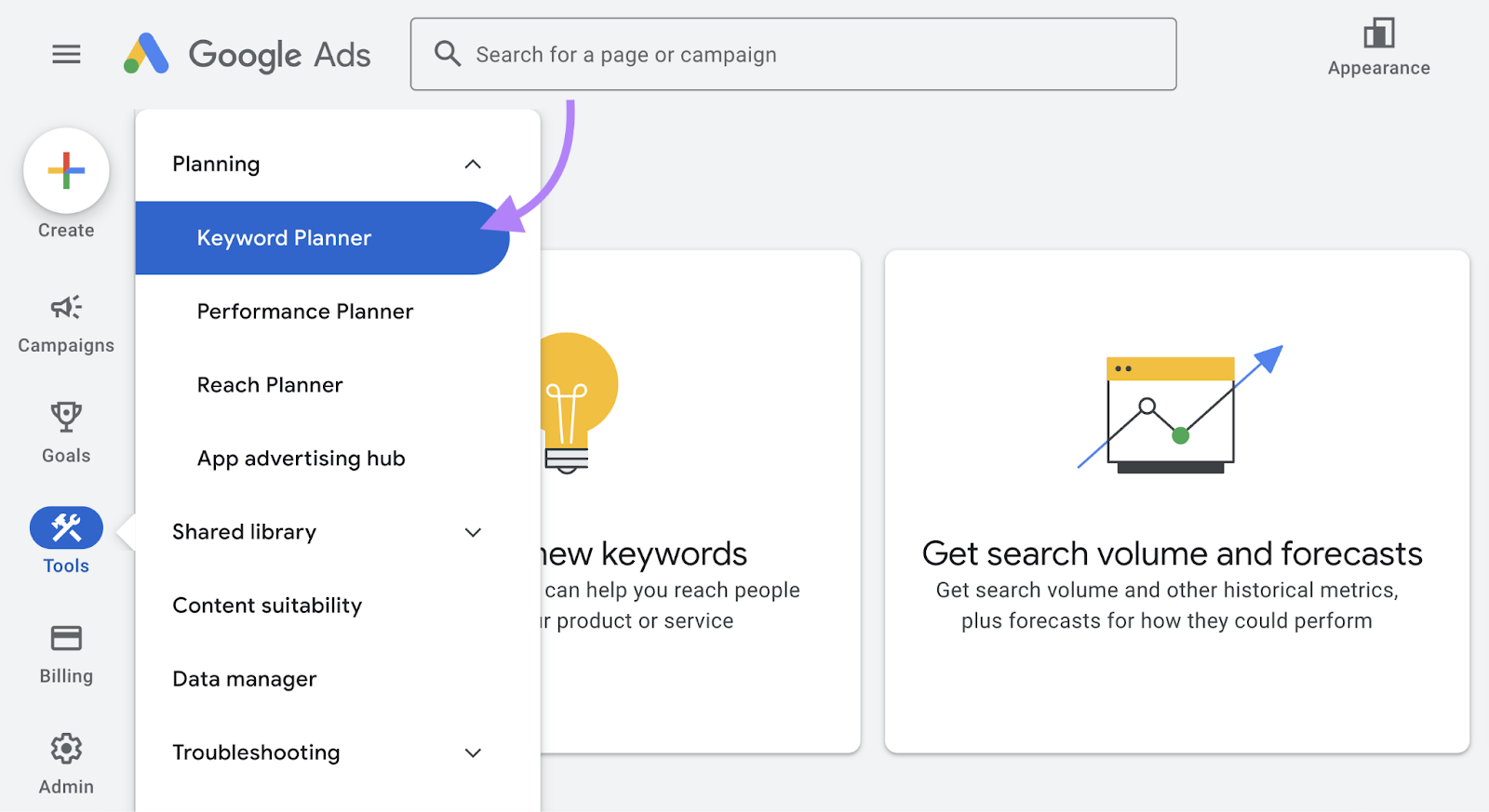
Research better keywords: Use tools like Google Keyword Planner to find specific and less competitive keywords.
Review search terms: Check what people are searching for and remove irrelevant terms with negative keywords.
Update regularly: Search trends change, so update your keyword list often to stay relevant.
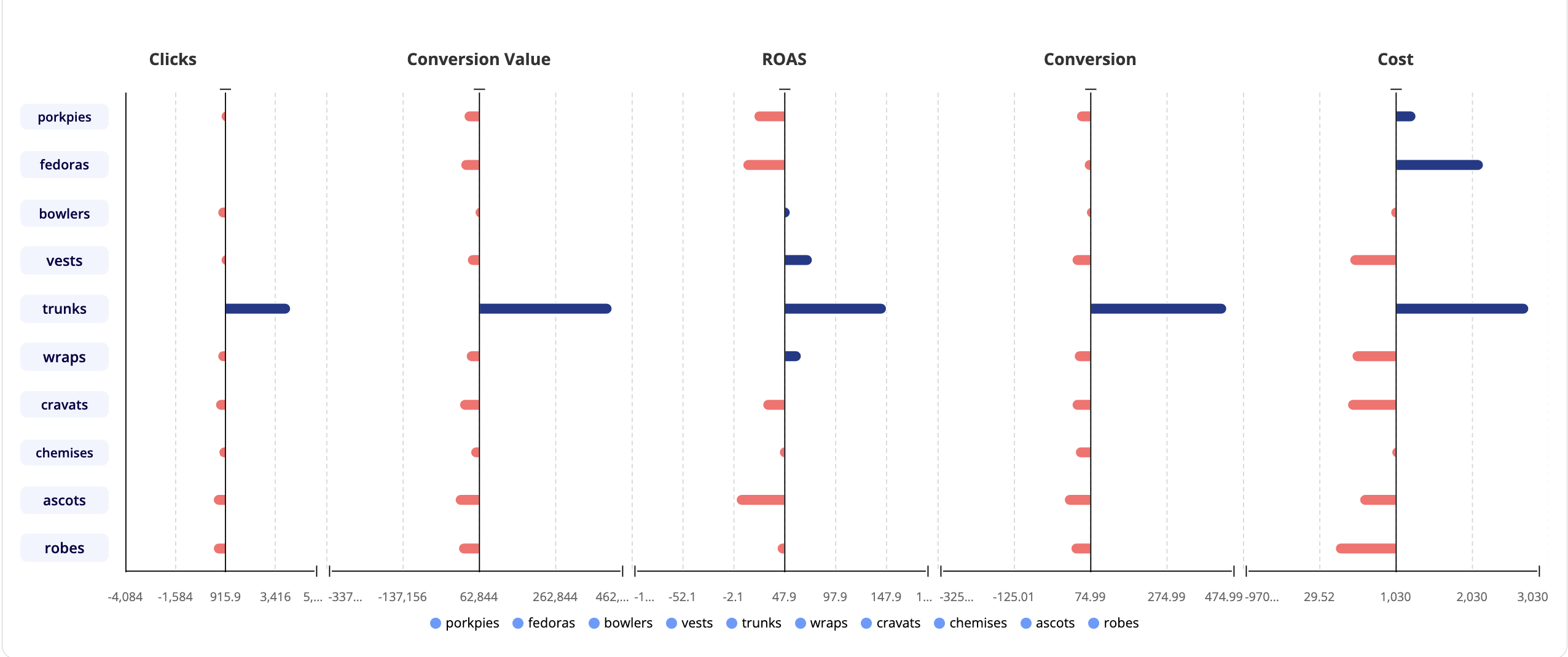
By focusing on the right keywords, you can make sure your ads are seen by people who are more likely to buy.
Targeting Existing Customers
While it’s important to engage with your current customers, over-targeting this group can be a missed opportunity. Focusing too much on existing customers in your Google Ads and Meta campaigns may lead to diminishing returns, especially if they’ve already made a purchase or interacted with your brand.
Instead, it's essential to balance your efforts by reaching new potential customers. For example, if your ads are only showing to people who have already bought from you, you may miss out on fresh audiences who are yet to discover your brand.
To optimize your targeting:
Segment your audience: Use custom audiences or lookalike audiences to reach people similar to your existing customers.
Create exclusive offers: Tailor ads with special deals or new products to entice repeat buyers.
Expand your targeting: Don’t forget to target new prospects who may be interested in your product but haven’t yet interacted with your brand.
Balancing your targeting strategy ensures you're not leaving potential customers behind while still nurturing the relationships you have with your existing ones.
Ignoring Multichannel Influences
In today’s digital landscape, consumers interact with multiple touchpoints before making a purchase. Relying solely on Google Ads or Meta campaigns without considering the broader picture can result in missed opportunities. For example, if a customer sees your ad on Facebook but doesn’t click, they might later convert after seeing your product on another platform, such as Google Search or even through an email campaign.
By ignoring these multichannel influences, you risk losing out on valuable conversions. Looking at the full customer journey shows how your ads on different platforms support each other.
To harness multichannel influences:
Use tracking tools: Implement tools like Google Analytics or the Meta Pixel to see how users interact with your ads across platforms.
Create cross-platform campaigns: Coordinate your campaigns on Meta and Google Ads to ensure consistent messaging.
Measure the full customer journey: Look at touchpoints beyond the last-click conversion, like view-through conversions, to understand the true impact of your ads.
Integrating a multichannel approach allows you to optimize your campaigns and increase your reach across various customer touchpoints.
Strategies to Uncover Missed Opportunities
Expanding Keyword Research
One of the easiest ways to find missed opportunities is by expanding your keyword research. Many advertisers focus on the same set of keywords, but exploring different angles can open up new avenues for traffic and conversions. Look for long-tail keywords, trending search terms, or local variations that might not be immediately obvious.
Tools like Google Keyword Planner, SEMrush, and Ahrefs can help you find untapped keywords that are highly relevant to your audience but have lower competition. Regularly updating your keyword list ensures that your ads stay aligned with your target market’s evolving search behavior.
Developing a Remarketing Strategy
Remarketing re-engages users who interacted with your brand but did not convert. Keep it limited to high-intent actions, such as cart adds, so it does not eat the prospecting budget. To get the most out of your remarketing campaigns, you need to target users at the right stage of the customer journey with relevant, personalized ads.
For example, if someone visited your online store but didn’t make a purchase, you can create tailored ads showcasing the products they viewed or offering discounts to encourage conversion.
To improve your remarketing strategy:
Segment your audience: Create different remarketing lists based on user behavior, such as people who added items to their cart but didn’t purchase.
Set frequency caps: Avoid annoying users by limiting how often they see your remarketing ads.
Personalize your messaging: Use dynamic ads to show users exactly what they interacted with on your site, offering a more personalized experience.
Remarketing helps you stay top-of-mind and gives you a second chance to convert interested prospects.
Optimizing Landing Pages for Better Ad Performance
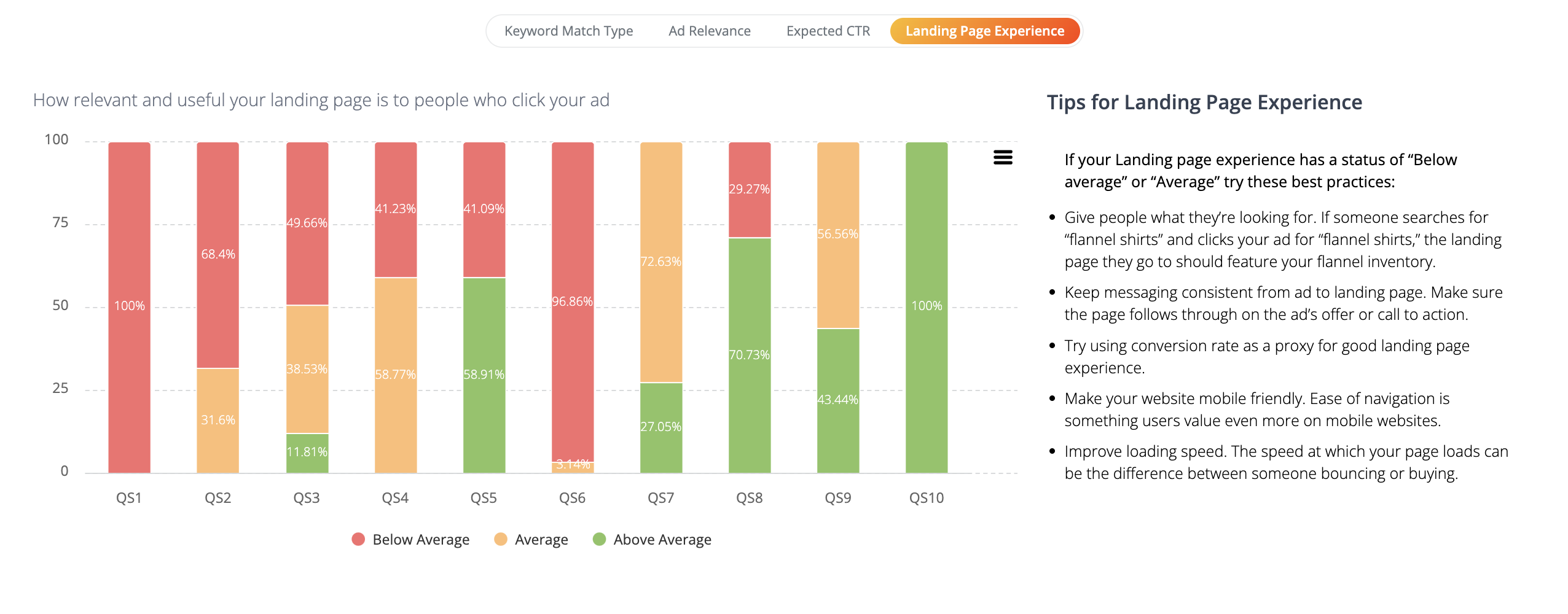
While much focus is placed on ad creatives and targeting, the role of landing pages in ad success is often overlooked. A landing page that matches the ad and loads fast improves conversion rate after the click.
Landing pages are critical because they bridge the gap between the promise made in your ad and the user’s expectations. If the landing page isn’t aligned with your ad’s messaging or fails to deliver a smooth user experience, you risk losing potential customers.
Steps to Optimize Landing Pages:
Match Ad Messaging to Landing Page Content
Ensure that your landing page aligns closely with the ad copy and visuals. If your ad promotes a specific product or offer, the landing page should immediately highlight the same product or offer. Consistency builds trust and minimizes user confusion.
Streamline the User Experience
Optimize your landing page for speed and mobile-friendliness. A fast-loading, responsive page reduces bounce rates and ensures a positive experience for users across all devices. Tools like Google PageSpeed Insights can help you identify and fix performance issues.
Include Clear Calls-to-Action (CTAs)
Use prominent and compelling CTAs that guide users toward the desired action, such as "Buy Now," "Sign Up," or "Learn More." Position CTAs above the fold and make them easy to interact with.
Use Social Proof and Trust Signals
Add customer reviews, testimonials, and trust badges to reassure users of your credibility. Trust signals can help reduce hesitations and increase conversions, especially for first-time visitors.
A/B Test Landing Pages
Experiment with different layouts, headlines, images, and CTAs to determine what resonates best with your audience. Continuously analyze data and refine your landing pages to maximize their effectiveness.
An optimized landing page complements your ad campaigns by ensuring that the traffic you drive has a higher chance of converting. By addressing user expectations and creating a seamless journey, you can maximize the ROI of your Google Ads and Meta campaigns.
Conclusion
Missed opportunities in Google Ads and Meta campaigns are common, but with the right strategies, they can be identified and turned into valuable growth areas. Refine keywords, balance prospecting against retargeting, and check landing pages, and most missed opportunities become visible in your own account data.
Remember, consistent testing, monitoring, and adaptation are key to uncovering hidden potential. As digital advertising platforms evolve, staying informed about new tools and strategies will help you stay ahead of the competition and maximize your ROI.
Take the time to audit your campaigns, identify areas for improvement, and implement these strategies to spot missed opportunities.
