What Is KPI Tracking and How to Measure Digital Marketing Success?
Key Performance Indicators (KPIs) are the metrics that show how effectively your marketing activities support business objectives. Instead of running campaigns based on hunches, KPI tracking provides concrete data to illustrate what’s working and what needs refinement. Whether you aim to boost sales or expand brand awareness, choosing meaningful KPIs establishes a clear, data-driven framework for evaluating progress.

Importance of KPIs in Marketing
- Objective Alignment: KPIs link day-to-day marketing tactics to overarching business goals. If you want more sales, track metrics like revenue growth or cost per acquisition (CPA). If you’re focused on brand recognition, track reach or impressions.
- Transparency and Accountability: Having defined KPIs clarifies targets for each team. It also promotes accountability and trust among stakeholders.
- Resource Optimization: With finite budgets, KPIs reveal which channels deserve more investment by showing which tactics produce the highest return.
- Strategic Decision-Making: Insights gleaned from KPIs—such as churn rate or conversion rate—directly influence campaign strategies, helping you optimize messaging and allocate resources effectively.
- Continuous Improvement: The best marketers treat KPI tracking as an ongoing process, regularly reviewing data to make incremental adjustments that sustain long-term success.

Types of Marketing KPIs
Financial KPIs
- Return on Investment (ROI): Measures the revenue generated relative to campaign costs. A positive ROI validates the profitability of a marketing effort, whereas a negative ROI indicates the need for strategy adjustments.
- Cost Per Acquisition (CPA): Shows how much you spend to acquire a new customer. Lower CPA means you’re attracting customers efficiently, keeping costs in check while driving revenue.
- Revenue Growth: Compares current sales to previous periods (monthly, quarterly, or yearly). Steady growth implies that your marketing is effectively contributing to your company’s expansion.

Acquisition KPIs
- Customer Acquisition Cost (CAC): Encompasses not only ad spend, but also staffing and operational costs linked to gaining new customers. If CAC is too high, you may need to refine targeting or messaging.
- Conversion Rate: Tracks the percentage of visitors or leads who complete a desired action (purchase, form submission, etc.). Optimizing this metric can significantly boost the overall impact of your marketing.
- Click-Through Rate (CTR): Indicates the ratio of clicks to impressions in digital ads or emails. A low CTR suggests a mismatch between message and audience; a higher CTR typically signals more engaging and targeted content.

Retention KPIs
- Customer Churn Rate: Represents the percentage of customers who stop using your product within a specific timeframe. A high churn rate may signal issues with customer satisfaction or product-market fit.
- Customer Lifetime Value (CLV): Estimates the total revenue you expect from one customer throughout their relationship with your company. A high CLV usually reflects strong retention efforts and recurring revenue.
Social Media KPIs
- Social Media Reach: Measures how many unique users see your content. Tracking reach shows whether your brand awareness is growing on social platforms.
- Engagement Rate: Tracks likes, comments, shares, and clicks. A high engagement rate indicates that your content resonates with audiences, inspiring them to take action.
- Follower Growth: Growth in followers or subscribers hints at rising brand popularity, but it’s crucial to watch whether these new followers also engage with your content.
Content Marketing KPIs
- Website Traffic: Gauges how many visitors come to your site, offering a big-picture view of your content’s ability to attract audiences.
- Time on Page: Reveals how long users spend on a page. Longer times suggest that readers find your content relevant and engaging.
- Bounce Rate: The percentage of users who exit after viewing just one page. A high bounce rate might indicate that your content or user experience isn’t meeting visitor expectations.
How to Select the Right KPIs
- Start with Clear Goals: Define whether you want to increase sales, build brand awareness, or improve conversions. Your objectives guide which metrics matter most.
- Ensure KPIs Are Measurable and Relevant: Focus on metrics you can reliably track and that genuinely affect your marketing goals. Vague or hard-to-measure KPIs often lead to confusion.
- Keep It Simple: It’s tempting to track everything, but too many metrics can obscure what’s truly important. Prioritize a small set of KPIs that reveal the most about your performance.
- Cover the Entire Funnel: Balance awareness metrics (like reach) with middle- and bottom-funnel indicators (like conversion rate and customer retention) for a holistic view of marketing success.
- Review and Adapt Regularly: As your business and market evolve, your KPIs should, too. Periodically reassess whether your chosen metrics still align with current goals.
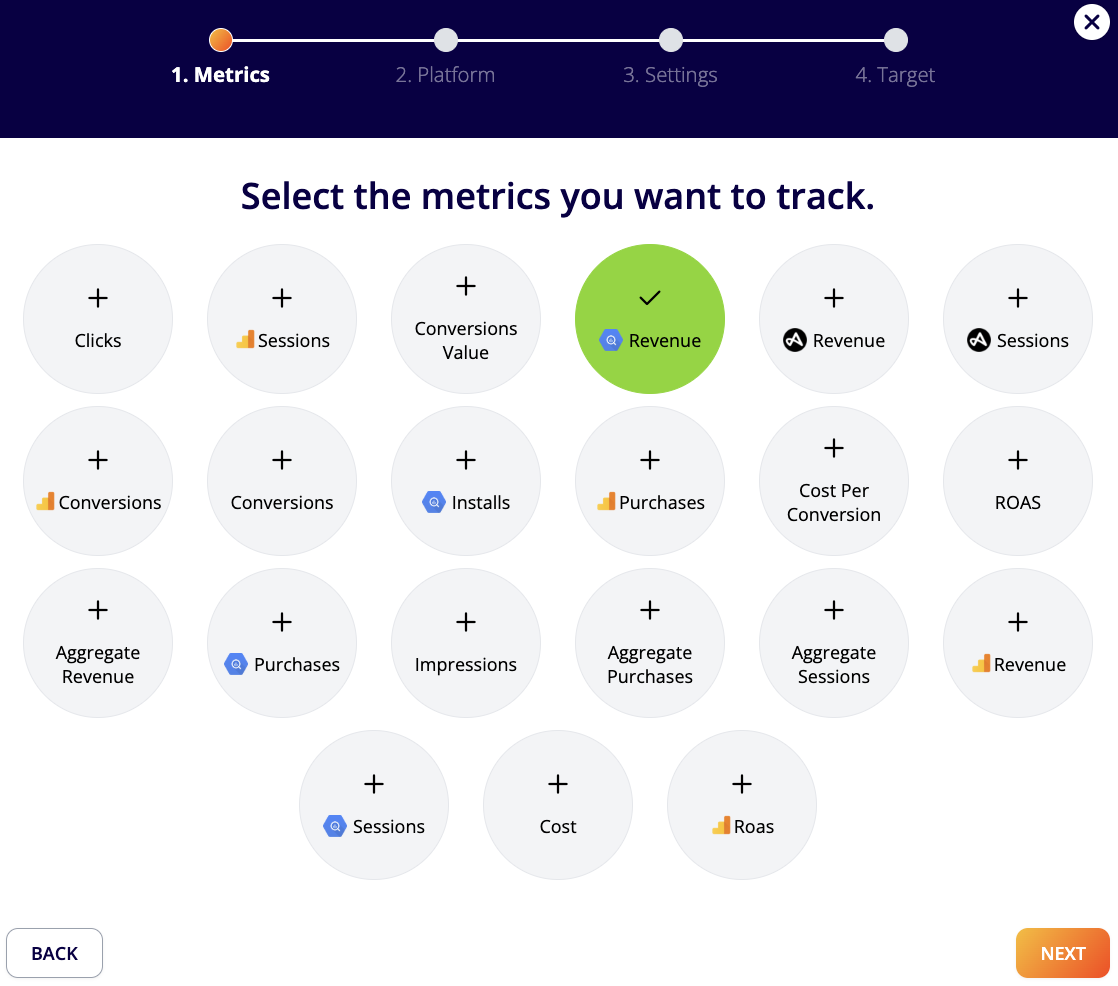
Best Practices for KPI Tracking
- Set Clear Benchmarks and Targets: Use historical data or industry standards as baselines. Aim for incremental growth rather than unrealistic leaps.
- Maintain Data Integrity: Automate data collection wherever possible to reduce manual errors. Regularly audit sources to ensure you’re drawing accurate conclusions.
- Create Actionable Reports: Tailor dashboards for different stakeholders, focusing on the most relevant KPIs. Highlight key insights and recommendations for quick decision-making.
- Monitor KPIs in Real Time: Configure alerts for major fluctuations in metrics. Frequent check-ins let you capitalize on trends or fix issues promptly.
- Foster a Data-Driven Culture: Share KPI data across teams so everyone understands how their tasks contribute to broader marketing goals. Encourage ongoing training in data analysis and interpretation.
- Iterate and Optimize: Use A/B testing to see if changes to ads, emails, or landing pages improve KPI performance. Pivot when needed to avoid wasting time and resources on underperforming tactics.

Conclusion
KPI tracking is the cornerstone of effective, results-driven marketing. By choosing the right indicators—whether financial, acquisition, retention, social media, or content-focused—you gain actionable insights into where your campaigns excel and where they fall short. This clarity empowers you to refine strategies, justify budgets, and respond quickly to shifts in the market.
Rather than rely on guesswork, embrace a data-centric mindset to push your marketing strategies forward. With the right KPIs, tools, and best practices in place, you’ll be better positioned to turn raw data into real results—consistently and efficiently.
