Meta Ads for ecommerce work best as a full funnel: prospect new buyers with broad and lookalike audiences, re-engage video viewers and Instagram followers, retarget site visitors and cart abandoners, then bring past buyers back with new offers. The Meta Pixel records the site actions that build the site-visitor and cart-abandoner audiences and measure ROAS, so set it up before the retargeting stage.
Needless to say, Meta is a powerful tool for e-commerce businesses. One might argue this power across many different types of businesses, but today we are talking about e-commerce. With its advanced targeting options and variety of ad formats, it's an undeniable component to use when targeting different audiences for different product types.
What do you need to set up before running Meta Ads for ecommerce?
Pixel Implementation: The Meta Pixel is a small snippet of code that tracks user actions on your website. This enables you to create custom audiences based on specific behaviors like product views, add to carts, and purchases. It's crucial for effective retargeting and measuring ad performance.
Custom Audiences: Use customer data (email lists, website visitors) to build lookalike audiences that reach users similar to your existing customers.
Advantage+ catalog ads (formerly Dynamic Product Ads): Show products from your catalog to people based on their browsing history and interests.
Ad Formats: Experiment with different ad formats: image ads, video ads, carousel ads, and collection ads to engage your audience.
A/B Testing: Run split tests to compare different ad creatives, audiences, and bidding strategies to optimize your campaigns.
Advantage campaign budget (formerly Campaign Budget Optimization): Let Meta distribute your budget across ad sets based on where it expects the best results.
What does a Meta Ads funnel for ecommerce look like?
The order can vary by goal, but a typical Meta Ads funnel for ecommerce has four stages:
Awareness: Target broad audiences with engaging video ads or image ads to introduce your brand and products.
Consideration: Retarget users who have engaged with your ads or visited your website with dynamic product ads or carousel ads to highlight specific products.
Conversion: Offer exclusive discounts or limited-time promotions to incentivize purchases.
Loyalty: Utilize email marketing and retargeting to nurture customer relationships and encourage repeat purchases.
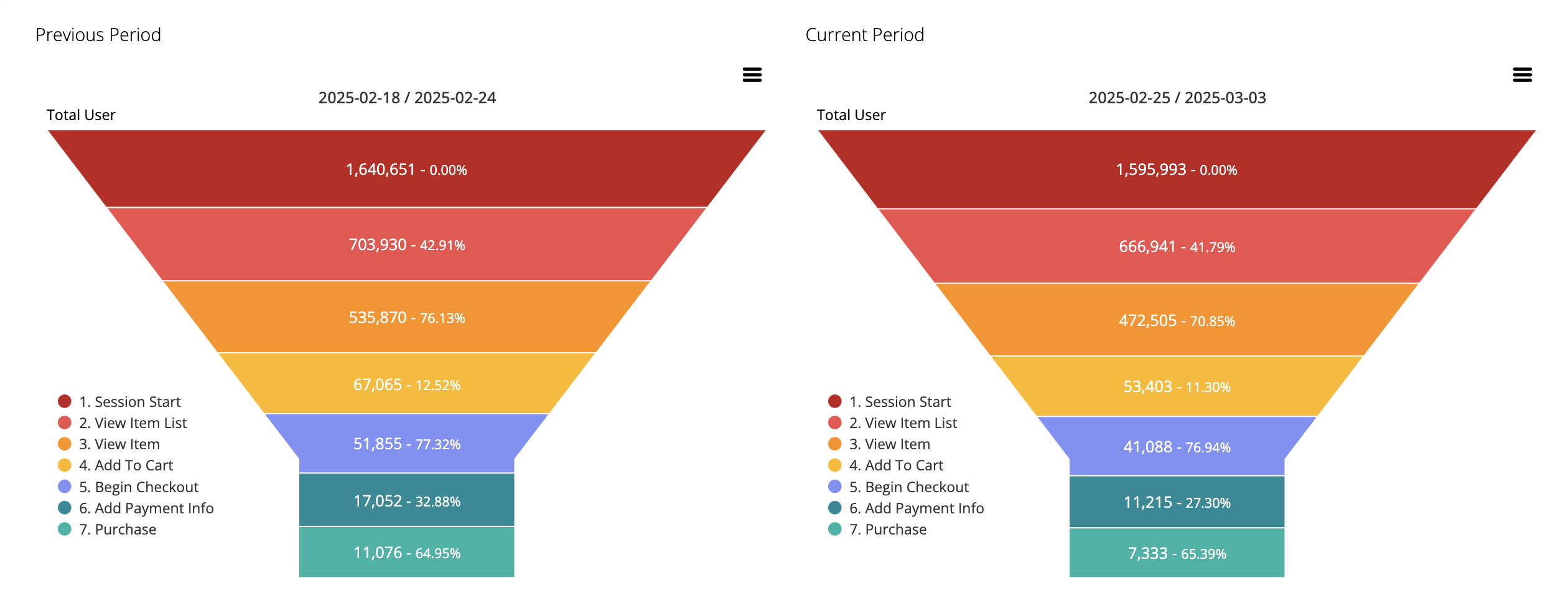
How do you optimize a Meta Ads ecommerce funnel?
Decided on your funnel strategy? Great. Now let’s move on to optimizing it and use what Meta ads has to offer! You can start by refining your audience targeting. Even for the awareness stage of the funnel, you can create multiple different audiences and try out different ad creatives on them. You can differentiate headlines, calls to action and even images of your products. In case you have a large variety of products, this approach will ensure that you can create awareness for different product categories. Of course, make sure to monitor the performance of your ads constantly, making sure that the desired goals are reached.
Which audiences belong in each Meta Ads funnel stage?
Acquisition - Prospecting
Prospecting involves targeting cold audiences who have not yet interacted with your brand. This is a crucial step in expanding your reach and bringing new potential customers into your funnel.
Interest-Based Targeting: Use Meta's targeting options to reach people based on their interests and behaviors. Select interests that align with your products to attract relevant audiences.
Lookalike Audiences: Create lookalike audiences based on your best customers. Meta's algorithm will find users who share similar characteristics, increasing the chances of engaging new, relevant prospects.
Acquisition - Re-Engagement
Re-engagement focuses on lukewarm audiences who have shown some interest in your brand but have not yet converted. This step aims to nurture these leads and move them closer to making a purchase.
Instagram Followers: Target your Instagram followers who haven't yet visited your website or made a purchase. Create ads that encourage them to explore your products further.
Video Viewers: Reach people who have watched your videos but haven't taken any further action. Tailor your ads to remind them of your products and encourage them to visit your site.
Retargeting
Retargeting involves focusing on custom audiences based on past interactions with your brand. This stage aims to convert warm leads who have already expressed interest.
Website Visitors: Retarget individuals who have visited your website but didn't make a purchase. Use personalized ads to remind them of the products they viewed.
Abandoned Carts: Target customers who added products to their cart but did not complete the purchase. Use ads to remind them of their abandoned items and encourage them to finalize their purchase.
Retention
Retention focuses on encouraging repeat purchases and building customer loyalty. This step ensures that your existing customers continue to engage with your brand.
Repeat Buyers: Target customers who have previously purchased from you with new product offerings or special deals to encourage repeat purchases.
Upselling: Promote related or higher-value products to past customers, enhancing their lifetime value and increasing your overall sales.
Which Meta Ads metrics matter most for ecommerce?
To ensure our confidence about our optimizations, we need to check that the key right metrics are performing as desired. Again, each metric on Meta Ads has their own use cases. Let’s check out the ones that are generically most relevant to e-commerce businesses.
Click-through rate (CTR): Measures how often people click on your ads.
Conversion rate: Tracks the percentage of ad clicks that result in a desired action (purchase, signup).
Return on Ad Spend (ROAS): Calculates the revenue generated based on the spent on advertising.
Cost per acquisition (CPA): Determines the average cost to acquire a new customer.
Customer Lifetime Value (CLTV): Calculates the total value a customer generates over their relationship with your company.
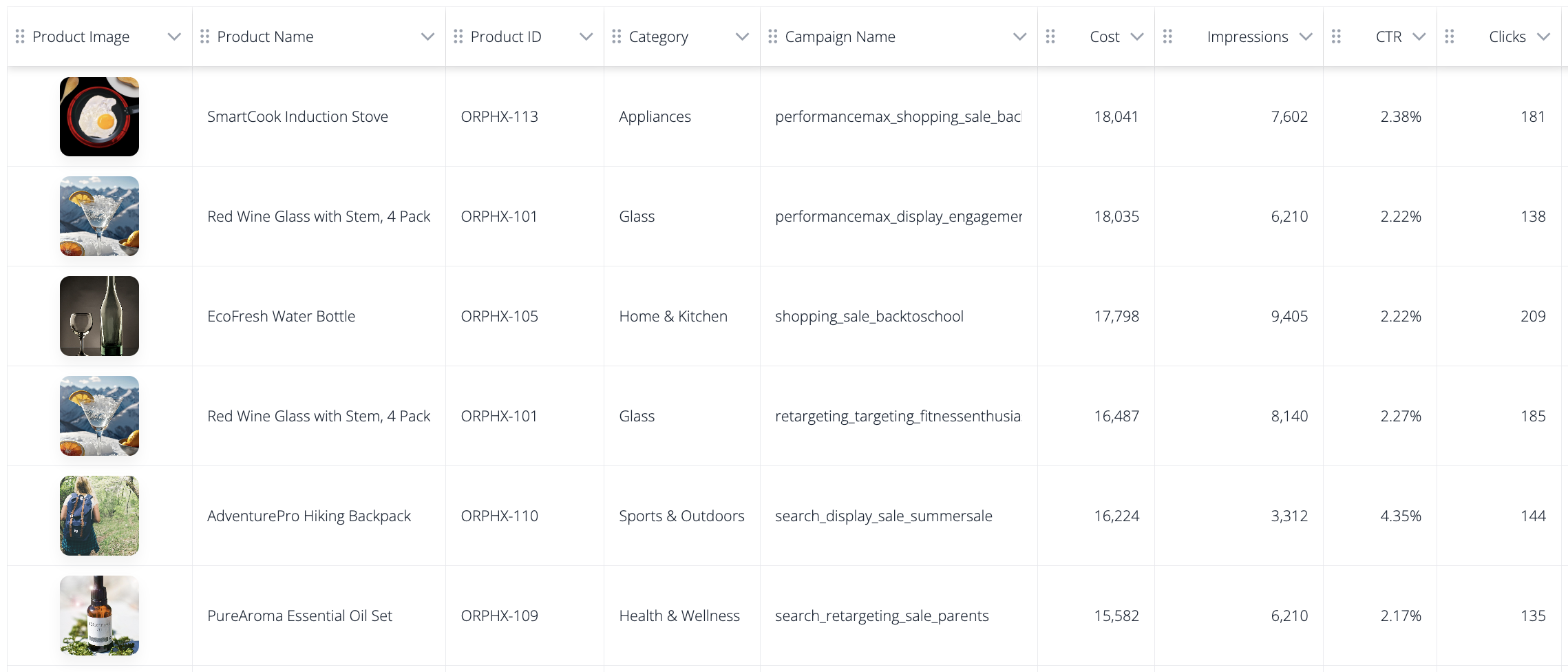
What else improves Meta Ads results for online stores?
Creating Unique Experiences
To stand out in a crowded marketplace, it's crucial to create unique and engaging ad experiences that reflect your brand identity and resonate with your audience.
Ad Formats: Utilize a variety of ad formats, such as video ads, carousel ads, and Instant Experience ads, to keep your audience engaged and interested.
Brand Identity: Ensure your ads are consistent with your overall brand image. Use your brand colors, fonts, and tone of voice to create a cohesive and recognizable presence.
Budget Management and Automation
Effective budget management and the use of automation tools can help optimize your ad spend and streamline your campaigns for better performance.
Ad Costs: Monitor your ad spend regularly and adjust your budget to ensure you are getting the most out of your investment. Consider allocating more budget to high-performing campaigns and scaling back on those that aren't delivering results.
Automation Tools: Use Meta's automation tools, such as Automated Rules and Advantage campaign budget, to manage your campaigns more efficiently. These tools can help you save time and improve the effectiveness of your ads by automatically adjusting bids, budgets, and targeting based on performance.
Building Social Proof
Social proof can significantly enhance the credibility and effectiveness of your ads. Incorporate elements of social proof into your ad strategy to build trust and encourage engagement.
Customer Reviews: Highlight positive customer reviews and testimonials in your ads. This not only builds trust but also provides potential customers with valuable insights into your products.
Engagement: Encourage likes, shares, and comments on your ads to boost their visibility and credibility. Higher engagement signals to potential customers that your products are popular and trustworthy.
How do you track Meta Ads funnel performance in one place?
Orphex shows Meta Ads and Google Ads data in one dashboard, so you can compare each funnel stage's results side by side across platforms.
Get the Pixel right, give each funnel stage its own audience and creative, and judge each stage by the metric that matches its job.
