Omnichannel marketing is a customer-centric approach that connects your marketing and sales channels, such as ads, email, website, app and store, so a customer can move between them without losing context. Multichannel marketing runs several channels side by side; omnichannel shares customer data between them so the message and offer stay consistent.
In today’s digital landscape, customers interact with brands through multiple touchpoints—social media, email, websites, mobile apps, in-store experiences, and more. To stay competitive, businesses must ensure that these channels work together to create a seamless and personalized customer experience. That’s where omnichannel marketing comes in.
Omnichannel marketing is not just about being present on multiple platforms; it’s about integrating them in a way that delivers a unified brand experience. Whether a customer browses your website on their phone, engages with an ad on social media, or visits your physical store, omnichannel marketing ensures that their journey remains consistent, personalized, and frictionless.
In this guide, we’ll explore:
• What omnichannel marketing is and why it matters
• The key differences between omnichannel and multichannel marketing
• Proven steps to implementing an omnichannel strategy
What is Omnichannel Marketing?
Omnichannel marketing is a customer-centric approach that integrates multiple marketing and sales channels to create a seamless and unified brand experience. Unlike traditional marketing strategies that operate in silos, omnichannel marketing ensures that all touchpoints—whether digital or physical—work together cohesively to enhance customer engagement and retention.
Key Characteristics of Omnichannel Marketing
Connected Channels: All marketing channels (online and offline) share customer data, so customers can move between them without starting over.
Personalization at Scale: Customer data is used to deliver tailored experiences based on preferences, behaviors, and past interactions.
Consistent Brand Messaging – Regardless of the platform or device, customers receive the same brand message, tone, and offers.
Cross-Channel Customer Journeys – Customers can start their journey on one channel (e.g., browsing a website) and complete it on another (e.g., purchasing in-store) without disruptions.
Data-Driven Decision Making – Businesses analyze customer interactions across channels to optimize marketing efforts and enhance user experiences.
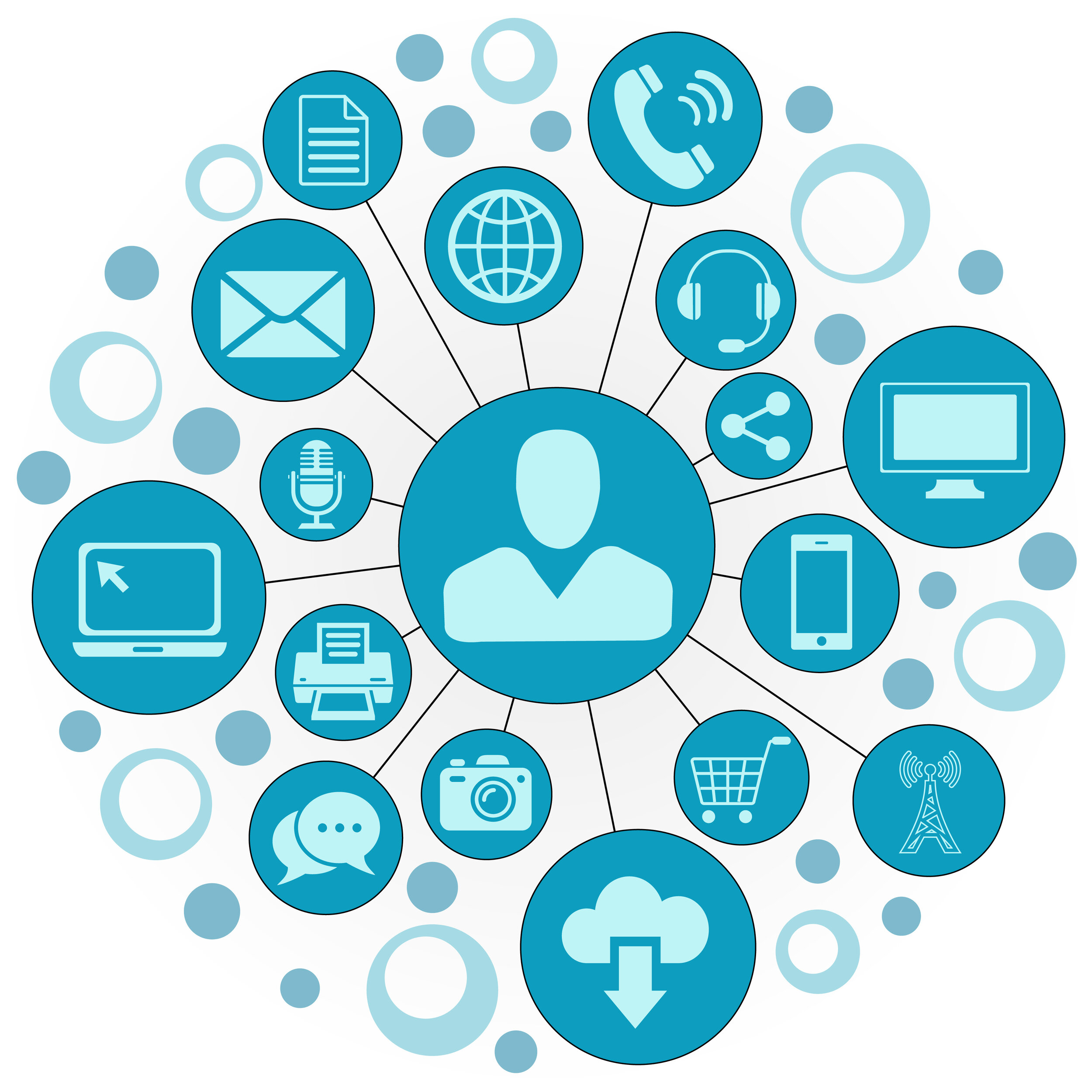
What does omnichannel marketing look like in practice?
Imagine a customer browsing a fashion retailer’s website on their smartphone. They add a pair of sneakers to their cart but don’t complete the purchase. Later, they receive a personalized email reminder with a 10% discount. The next day, they visit the brand’s physical store, where a sales associate—using the retailer’s CRM system—accesses their browsing history and suggests complementary items. Finally, the customer completes the purchase in-store and receives a follow-up loyalty reward via a mobile app.
This is omnichannel marketing in action—ensuring a fluid and personalized shopping experience across multiple platforms.
What are the benefits of omnichannel marketing?
Omnichannel marketing isn’t just a trend—it’s a necessity for businesses that want to deliver seamless, personalized, and engaging customer experiences. By integrating multiple channels, brands can boost customer satisfaction, improve retention, and increase revenue.
1. Enhanced Customer Experience
Consumers expect convenience and consistency. Omnichannel marketing ensures that customers receive a smooth and personalized journey across all touchpoints—whether they’re shopping online, in-store, or via a mobile app.
Example: A customer who starts a chat with support on a website can continue the conversation on WhatsApp or a mobile app without repeating their issue.
2. Increased Customer Retention and Loyalty
Brands that offer personalized and consistent experiences foster stronger relationships with customers. A well-executed omnichannel strategy helps reduce friction in the buying journey and encourages repeat purchases.
Example: A loyalty program that works seamlessly across an e-commerce site, physical stores, and a mobile app—allowing customers to earn and redeem rewards anywhere.
3. Higher Revenue and Sales Conversions
Omnichannel marketing increases opportunities for conversion by offering personalized promotions and timely recommendations.
4. Better Data Collection and Customer Insights
By integrating all marketing channels, businesses can collect valuable first-party data on customer behaviors, preferences, and purchase patterns. This data allows brands to optimize marketing campaigns and improve product recommendations.
Example: An online retailer tracks browsing habits and sends personalized email recommendations based on previously viewed products.
5. Competitive Advantage
In industries where customers have numerous choices, brands that provide a seamless omnichannel experience stand out. Companies that fail to integrate their channels risk losing customers to competitors who offer a more connected experience.
Example: A competitor offers click-and-collect services, allowing customers to buy online and pick up in-store. If your brand lacks this feature, you may lose sales to the competition.
Omnichannel marketing is a growth driver that enhances user experience, boosts revenue, and strengthens customer loyalty. Brands that prioritize omnichannel strategies gain a significant competitive edge in today’s digital-first marketplace.
What is the difference between omnichannel and multichannel marketing?
While both omnichannel and multichannel marketing involve engaging customers across multiple platforms, the key difference lies in how those channels interact with each other. Businesses need to understand this distinction to provide a seamless and customer-centric experience.
What is Multichannel Marketing?
Multichannel marketing is about reaching customers through multiple independent channels—such as websites, social media, email, and physical stores—without necessarily integrating them. Each channel operates separately, meaning the customer’s experience is often fragmented.
Multichannel Strengths: Expands brand presence across various platforms, reaching a wider audience.
Multichannel Weaknesses: Creates an inconsistent and disjointed experience, as different channels don’t share customer data.
Why Omnichannel Marketing is More Effective
A Seamless Customer Journey – Customers can switch between channels without losing context. A brand remembers their preferences, making interactions smooth and intuitive.
Stronger Brand Engagement – When customers receive a personalized and cohesive experience, they are more likely to trust the brand and continue engaging.
Better Use of Customer Data – Omnichannel marketing centralizes customer insights, allowing brands to create highly relevant offers and personalized recommendations.
While multichannel marketing ensures a brand's presence across different platforms, omnichannel marketing connects those platforms to create a seamless, customer-first experience.
How does omnichannel marketing improve customer retention?
In today’s highly competitive landscape, customer retention is just as important as acquisition. Brands that implement omnichannel marketing well can see higher customer loyalty, increased lifetime value (CLV), and stronger brand engagement. By providing a seamless, personalized experience across multiple touchpoints, businesses can build long-term relationships that keep customers coming back.
Why Omnichannel Marketing Drives Customer Loyalty
Consistent Brand Experience Across All Touchpoints – Customers are more likely to stay loyal to brands that offer a smooth and consistent journey, whether they shop online, in-store, or via mobile apps.
Personalized Engagement Increases Retention – Brands that use customer data to tailor interactions see higher engagement and repeat purchases.
Convenience Strengthens Customer Relationships – Whether through click-and-collect services, real-time customer support, or mobile-first loyalty programs, omnichannel strategies eliminate friction in the customer journey.
How to Use Omnichannel Marketing to Improve Retention
• Implement a Unified Loyalty Program – Ensure customers can earn and redeem rewards across all platforms, whether online, mobile, or in-store.
• Personalize Customer Interactions: Use behavioral and purchase data to deliver tailored recommendations, exclusive offers, and relevant content.
• Offer Seamless Cross-Channel Support – Provide real-time assistance through chatbots, social media, and human support, ensuring customers receive help wherever they interact with your brand.
• Use Predictive Analytics to Reduce Churn – Identify at-risk customers through behavioral data and engage them with win-back campaigns.
Omnichannel marketing builds stronger relationships with customers by delivering seamless, personalized, and convenient experiences. Businesses that invest in cross-channel engagement, data-driven personalization, and loyalty programs see higher retention rates and long-term brand loyalty.
How do you implement omnichannel marketing?
Building a successful omnichannel marketing strategy requires a structured approach that integrates data, customer insights, and technology. Here’s a step-by-step guide to help businesses seamlessly connect their marketing channels and enhance the customer experience.
1. Understand Your Customers and Their Journey
Before implementing omnichannel marketing, map out your customer journey to identify key touchpoints. Understanding how users interact with your brand across different channels will help you create a seamless and personalized experience.
Action Steps:
Analyze data from CRM systems, website behavior, and social media interactions.
Conduct customer surveys and gather feedback to understand pain points.
Identify drop-off points where customers disengage from the buying process.
2. Centralize Customer Data for a Unified Experience
A core component of omnichannel marketing is having a single view of the customer across all platforms. Centralizing customer data allows brands to deliver consistent messaging, personalized offers, and better service.
Action Steps:
Implement a Customer Data Platform (CDP) or CRM system to store and analyze customer data.
Integrate online and offline customer interactions (e.g., track website visits, email engagements, and in-store purchases in one database).
Use purchase and browsing data to segment customers based on behavior and preferences.
3. Create Consistent Brand Messaging Across Channels
A successful omnichannel strategy ensures that messaging remains consistent yet adaptable to different platforms. Customers should receive the same brand experience, whether they interact with an email, social media ad, or in-store representative.
Action Steps:
Develop a brand voice and tone guide to maintain consistency.
Align marketing campaigns across email, SMS, social media, and in-store promotions.
Use dynamic content that adapts to customer preferences and behaviors.
4. Implement Cross-Channel Personalization
Customers expect tailored experiences based on their past interactions. Personalization ensures that every customer touchpoint delivers relevant content, promotions, and product recommendations.
Action Steps:
Use product recommendation engines to offer personalized product suggestions.
Trigger automated email and SMS campaigns based on customer actions (e.g., abandoned cart reminders, birthday discounts).
Personalize website experiences by displaying relevant content based on previous visits.
5. Leverage Technology for Seamless Integration
Technology plays a crucial role in connecting different marketing channels and providing a unified customer experience. Businesses need the right tools, such as marketing budget software, to manage and automate their omnichannel efforts.
Action Steps:
Invest in marketing automation platforms (e.g., HubSpot, Klaviyo, or Marketo) to streamline communication.
Use chatbots and automated support to provide 24/7 assistance across multiple channels.
Implement POS system integrations for retail stores to sync customer data with online purchases.
6. Test, Optimize, and Iterate
Omnichannel marketing is an ongoing process. Regular testing and optimization help businesses refine their strategies and improve the customer experience.
Action Steps:
Conduct A/B tests to measure the effectiveness of campaigns across different channels.
Monitor customer feedback and engagement metrics to identify areas for improvement.
Continuously update marketing strategies based on data-driven insights and emerging trends.
A well-executed omnichannel strategy integrates customer data, personalizes interactions, and ensures seamless engagement across multiple channels. By following these steps, businesses can create a cohesive, customer-first experience that drives loyalty and revenue.
Where should you start with omnichannel marketing?
Omnichannel marketing is no longer optional—it’s a strategic necessity for brands looking to deliver seamless, personalized, and engaging customer experiences. By integrating multiple channels, businesses can boost customer satisfaction, increase retention, and drive higher revenue.
Now’s the time to optimize your marketing strategy! Start by analyzing customer journeys, integrating data, and ensuring a seamless experience across every interaction.
