Machine learning in marketing is the use of algorithms that learn from past data, such as purchases, clicks and campaign results, to find patterns and make predictions without being programmed for each task. Marketers use it to predict customer lifetime value and churn, forecast demand, segment audiences and personalize ads and email.
In an era where data reigns supreme, machine learning (ML) has emerged as a transformative force in the marketing domain, propelling strategies into a new age of intelligence and personalization. This innovative branch of artificial intelligence (AI) harnesses vast amounts of digital data to uncover patterns, predict trends, and automate decision-making processes. For digital marketers, marketing strategists, data analysts, CMOs, and business owners, integrating machine learning into marketing efforts unlocks unprecedented potential to enhance customer engagement, optimize campaigns, and drive business growth.
At the intersection of AI and digital marketing, machine learning acts as the engine powering sophisticated, data-driven strategies. By analyzing big data—ranging from user interactions on websites to social media behavior—ML algorithms can predict customer preferences, forecast purchasing behavior, and deliver hyper-personalized content, all in real-time.
The adoption of machine learning in marketing not only streamlines operations but also elevates the effectiveness of campaigns. From predictive analytics that forecast customer actions to dynamic content personalization that boosts engagement, ML enables marketers to make informed decisions based on actionable insights. The result is a marketing strategy that is not only reactive but also proactive, anticipating the needs and desires of the target audience.
Whether you're seeking to refine customer segmentation, enhance campaign performance, or predict future marketing trends, machine learning offers the tools and capabilities to elevate your digital campaigns.
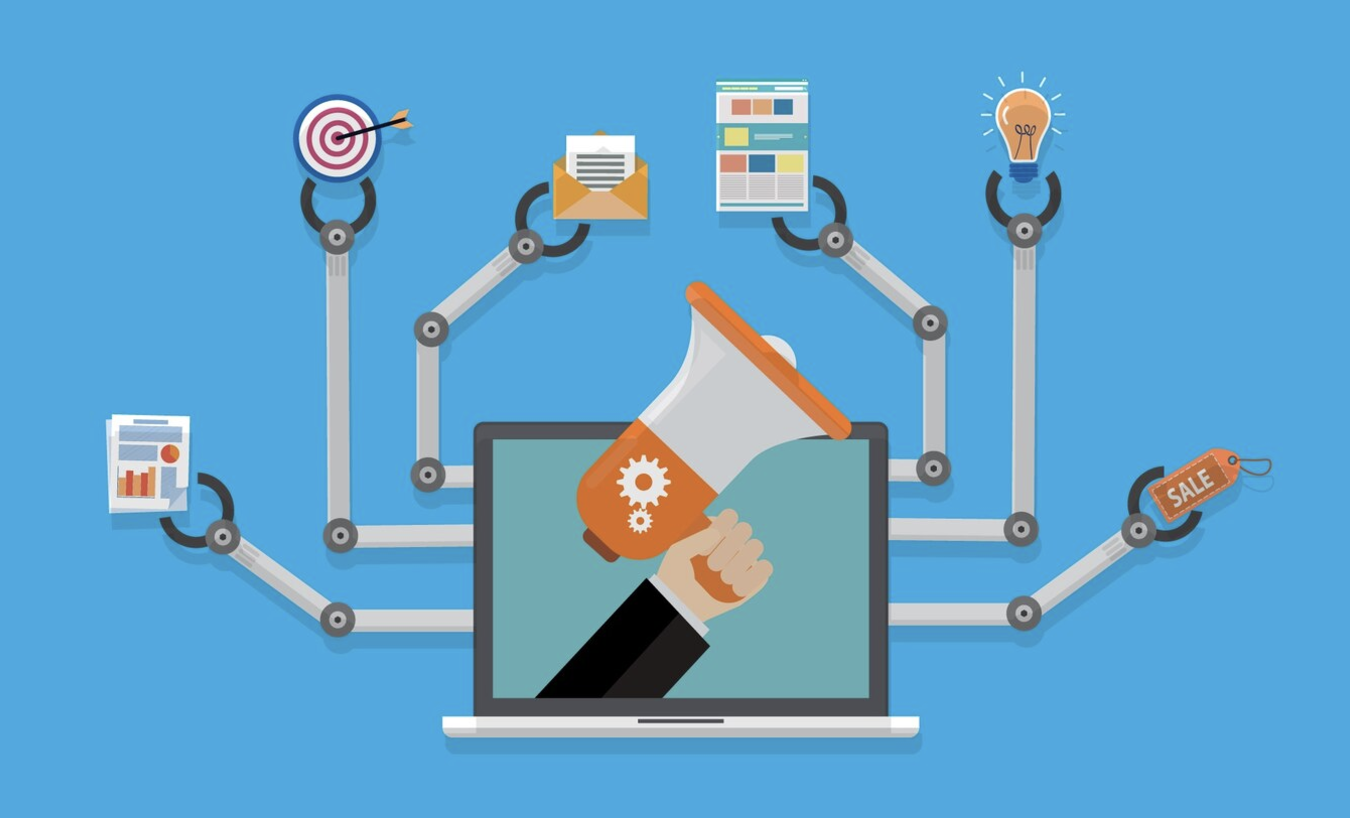
How does machine learning use behavioral data in marketing?
Behavioral data is the main input for machine learning (ML) in marketing. This data, encompassing user actions, preferences, and interactions across digital platforms, provides a rich tapestry for algorithms to analyze and derive insights. Here’s how the potential of behavioral data, powered by machine learning, is transforming marketing strategies.
Unveiling User Behavior Patterns
Machine learning algorithms excel in identifying patterns and trends within large datasets that human analysts might overlook. By examining behavioral data, ML can uncover specific user behavior patterns, such as common pathways to purchase, periods of increased activity, and triggers for engagement. These insights enable marketers to craft strategies that resonate more deeply with their audience's natural inclinations and habits.
Enhancing Predictive Analytics
Predictive analytics is one of the main uses of behavioral data in marketing. Machine learning models can predict future customer actions based on past behavior, answering questions like which customers are most likely to convert, which are at risk of churning, and what products are likely to see a surge in demand. This foresight allows for proactive marketing strategies, optimizing efforts for the highest potential return.
Personalizing Targeted Advertising
Targeted advertising benefits significantly from the insights drawn from behavioral data. Machine learning algorithms can segment audiences with high precision, tailoring ad content to individual preferences and behaviors. This level of personalization not only improves the user experience but also increases the effectiveness of advertising campaigns, leading to higher conversion rates and enhanced customer loyalty.
Automating Real-Time Decision Making
Machine learning can automate some real-time decisions, using behavioral data to adjust marketing tactics as results come in, within the rules and budgets you set. For instance, if an ML model detects a sudden interest spike in a particular product, it can automatically allocate more advertising budget to that product or adjust the messaging across campaigns to capitalize on the trend.
Marketers gain the ability to not only understand their audience on a deeper level but also to anticipate their needs, personalize their experiences, and engage with them more effectively than ever before.
Where is machine learning used in marketing today?
Machine learning (ML) is not just a theoretical advancement in technology; it has practical, impactful applications in the marketing world. By harnessing ML, businesses can transform vast data into actionable strategies, optimizing their marketing efforts and enhancing customer experiences. Here are several key areas where machine learning is making a tangible difference in marketing today.
Predicting Customer Lifetime Value (CLV)
Machine learning models excel at predicting the future value of customers based on their past behaviors. By analyzing purchase history, engagement data, and other relevant metrics, ML algorithms can identify high-value customers and predict their lifetime value. This insight allows businesses to tailor their marketing efforts, focusing on retaining their most profitable customers and allocating resources more effectively.
Sales Forecasting and Demand Prediction
Accurate sales forecasting is crucial for inventory management, budget planning, and strategic marketing. Machine learning algorithms analyze historical sales data, market trends, and external factors like seasonality to predict future sales and demand for products or services. These predictions enable businesses to prepare for demand fluctuations, optimize stock levels, and launch timely marketing campaigns.
Reducing Churn Rate through Early Detection
Customer churn represents a significant challenge for businesses, but machine learning can help mitigate this issue by identifying at-risk customers before they leave. By examining patterns in customer behavior that typically precede churn, ML models can flag these customers for targeted retention efforts, such as personalized offers or outreach, effectively reducing the churn rate.
Enhancing Customer Segmentation
Traditional customer segmentation often relies on broad categories that may not accurately reflect the diversity of a customer base. Machine learning algorithms can process complex datasets to create highly detailed customer segments based on behaviors, preferences, and demographics. This granular segmentation enables more targeted and relevant marketing strategies, improving engagement and conversion rates.
Optimizing Email Marketing Campaigns
Machine learning improves email marketing by personalizing content, optimizing send times, and segmenting audiences. ML models can analyze how different customer segments interact with email content, determining what types of messages resonate best and when they are most likely to engage, leading to higher open rates and conversions.
Machine learning's real-world applications in marketing are extensive and growing as technology advances. Businesses that adopt ML strategies can expect to see significant improvements in customer insights, campaign effectiveness, and overall marketing ROI.
Machine learning (ML) significantly amplifies the effectiveness of marketing campaigns by enabling unprecedented levels of personalization, efficiency, and insight. Its application in campaign optimization marks a pivotal shift towards more data-driven, responsive marketing strategies. Here is how machine learning is used in campaign optimization.
Real-Time Ad Targeting Adjustments
ML algorithms excel at processing real-time data to make immediate adjustments to ad targeting criteria. By analyzing ongoing campaign performance data, ML can identify which audience segments are most responsive and adjust targeting parameters to focus on these high-performing segments, thereby optimizing ad spend and improving ROI.
Content Personalization at Scale
One of the standout applications of ML in marketing is its ability to personalize content for individual users at scale. Whether it’s through email marketing, website content, or digital ads, ML analyzes user interactions and preferences to deliver highly personalized content. This level of personalization significantly increases engagement rates, customer satisfaction, and conversion rates.
Dynamic Pricing and Offers
Machine learning enables dynamic pricing strategies and personalized offers based on user behavior, purchase history, and market demand. For e-commerce sites, ML can adjust prices in real-time to match competitive offers or to capitalize on increased demand, while also personalizing discounts and promotions to incentivize conversions.
Email Marketing Optimization
Beyond content personalization, ML optimizes various aspects of email marketing campaigns, from determining the optimal send times for different segments to predicting which email subject lines will yield the highest open rates. These optimizations ensure that email campaigns reach their recipients at the most opportune moments, maximizing engagement and effectiveness.
Automated A/B Testing
Traditional A/B testing can be time-consuming and resource-intensive, but ML automates this process, rapidly testing multiple variations of campaign elements to identify the most effective options. This capability extends beyond simple content variations, encompassing testing different user journeys, offer structures, and more.
The effectiveness of machine learning in campaign optimization is clear, offering businesses the tools to not only react to market changes but to anticipate them. With machine learning, marketers can refine campaigns continuously instead of waiting for periodic manual reviews, as long as conversion tracking gives the models reliable data.
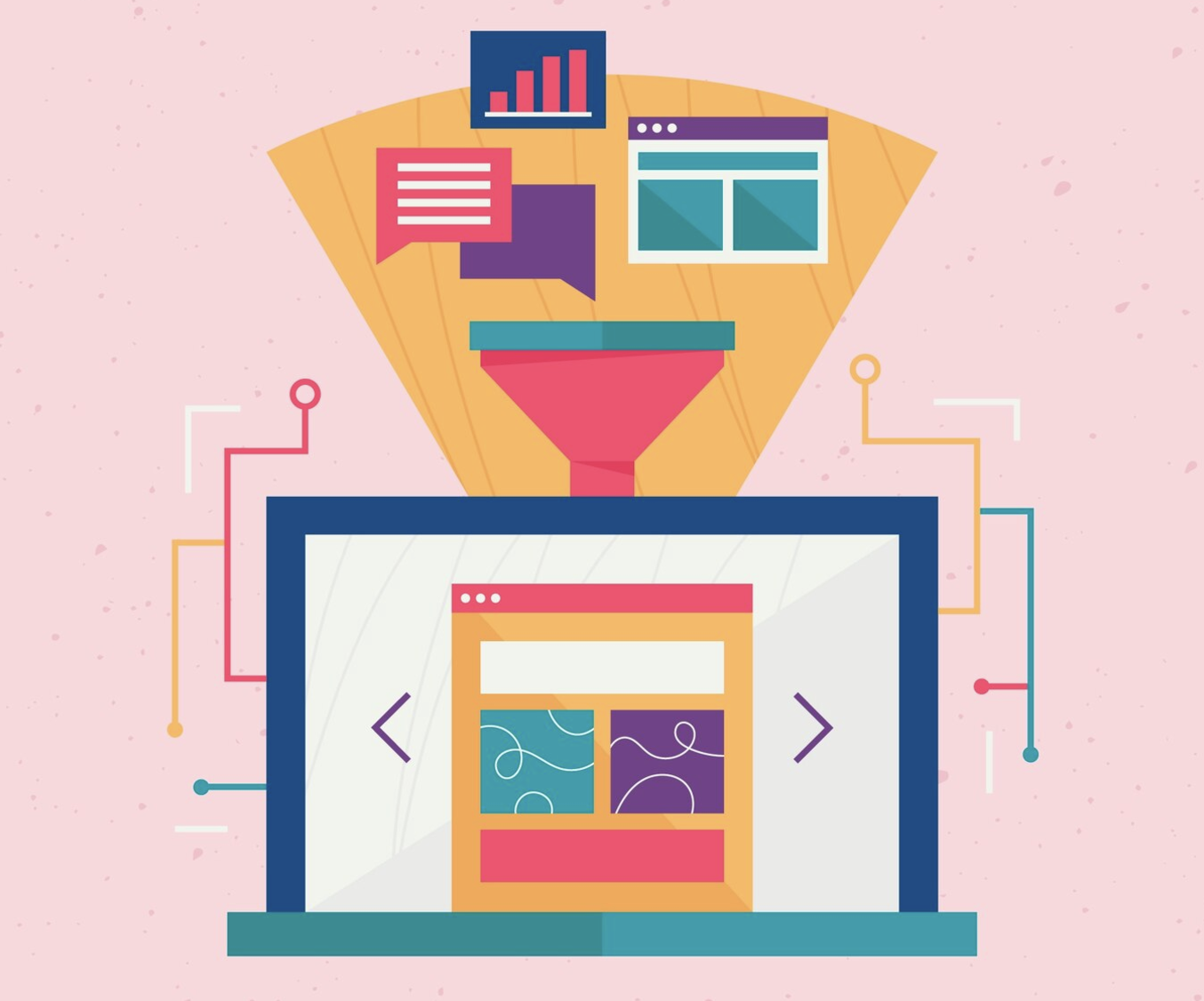
What is next for machine learning in marketing?
The landscape of digital marketing is continually evolving, and machine learning (ML) is at the forefront of this transformation. As technology advances, the future of ML in marketing promises even more sophisticated applications, driving innovation and creating new opportunities for personalized engagement and predictive analytics. Let’s explore what the future holds for ML in marketing.
Advancements in Predictive Analytics
The future will see even more advanced predictive analytics capabilities, with ML models providing deeper insights into customer behavior, market trends, and potential future scenarios. These advancements will allow marketers to not only react to current trends but also to anticipate changes, making strategic decisions that keep them ahead of the competition.
Enhanced Personalization Across Channels
As ML technology becomes more refined, the personalization of marketing messages across all channels will become increasingly sophisticated. This means creating unique, highly tailored experiences for each customer, not just in email marketing or website content but across social media, mobile apps, and emerging digital platforms.
Integration with Emerging Technologies
Machine learning will increasingly integrate with other emerging technologies, such as augmented reality (AR) and the Internet of Things (IoT), to create immersive, interactive marketing experiences. For example, AR could enable virtual product trials personalized to each user’s preferences, while IoT devices could provide real-time customer data for hyper-targeted marketing.
Automation of Strategic Marketing Decisions
While ML already automates many operational tasks, the future will see it playing a more significant role in strategic decision-making. Machine learning algorithms will analyze market data, customer feedback, and performance metrics to recommend strategies for product development, market entry, and customer engagement.
Ethical AI and Responsible Data Use
As machine learning becomes more ingrained in marketing, ethical considerations and responsible data use will move to the forefront. Marketers will need to navigate the balance between personalization and privacy, ensuring that ML applications respect customer data and promote trust and transparency.
The future of machine learning in marketing is bright, offering unparalleled opportunities for innovation, engagement, and insight. As technology progresses, marketers who embrace ML will find themselves well-equipped to navigate the dynamic digital landscape, driving success and growth in an increasingly competitive market.
Embracing the Future with Machine Learning
As we look towards the future, it's clear that machine learning will continue to redefine the boundaries of what's possible in marketing.
Integrating Machine Learning with Marketing Tools
The integration of machine learning (ML) with marketing tools represents a significant leap forward in how businesses approach digital marketing. By embedding ML algorithms within marketing platforms, businesses can automate data analysis, personalize customer interactions, and optimize campaign performance with unprecedented precision. This integration is crucial for harnessing the full potential of ML in enhancing marketing strategies and outcomes.
What is Machine Learning in Marketing?
Machine learning in marketing refers to the application of AI algorithms to analyze large datasets, identify patterns, and make predictions or decisions without being explicitly programmed for specific tasks. In marketing, ML is used to gain deep insights into customer behavior, preferences, and trends, enabling marketers to craft highly targeted and effective campaigns. ML algorithms learn from past data, improving their accuracy and effectiveness over time, thus continually enhancing marketing strategies.
How Does Machine Learning Improve Customer Targeting?
Machine learning improves customer targeting through:
Predictive Analytics, ML can predict future customer behaviors, such as likelihood to purchase or churn, allowing marketers to target customers more effectively.
Segmentation, ML algorithms can segment customers into highly detailed groups based on their behaviors, interests, and interactions, enabling more personalized marketing efforts.
Personalization, By analyzing individual customer data, ML can tailor marketing messages, offers, and content to match the unique preferences and needs of each customer, significantly improving engagement and conversion rates.
Can Small Businesses Benefit from Machine Learning in Marketing?
Absolutely, small businesses can significantly benefit from machine learning in marketing. While the perception may be that ML technologies are only accessible to large corporations, many marketing platforms now offer ML capabilities tailored to the needs and budgets of small businesses. Benefits include:
ML automates repetitive tasks, allowing small businesses to focus their resources on strategy and creativity.
By optimizing marketing efforts, ML can help small businesses achieve higher ROI, making the most of limited marketing budgets.
ML provides insights and capabilities that can level the playing field, allowing small businesses to compete more effectively with larger companies.
Integrating machine learning with marketing tools offers businesses of all sizes the opportunity to transform their marketing efforts, driving more personalized, efficient, and effective campaigns. As technology evolves, the accessibility of ML for marketing will continue to improve, offering even more opportunities for businesses to harness its potential.
Should your marketing team start using machine learning?
The role of machine learning in modern marketing is transformative, offering a gateway to data-driven insights, personalized engagement, and strategic agility. As we move forward, the integration of ML in marketing strategies will not be just advantageous but essential for staying competitive and achieving success.
We invite you to embrace the potential of machine learning, exploring the tools, strategies, and innovations that will define the future of digital marketing.
